October 27, 2026
Choosing between a single and double garage door affects your home's appearance, functionality, storage capacity, and long-term value. The right option depends on available space, vehicle sizes, household needs, and budget. Understanding the differences can help you select a design that complements your property while providing convenient access. Professional garage door installation services can also ensure your door fits properly and operates safely.
Understanding Single and Double Garage Doors
Comparing Sizes and Functionality
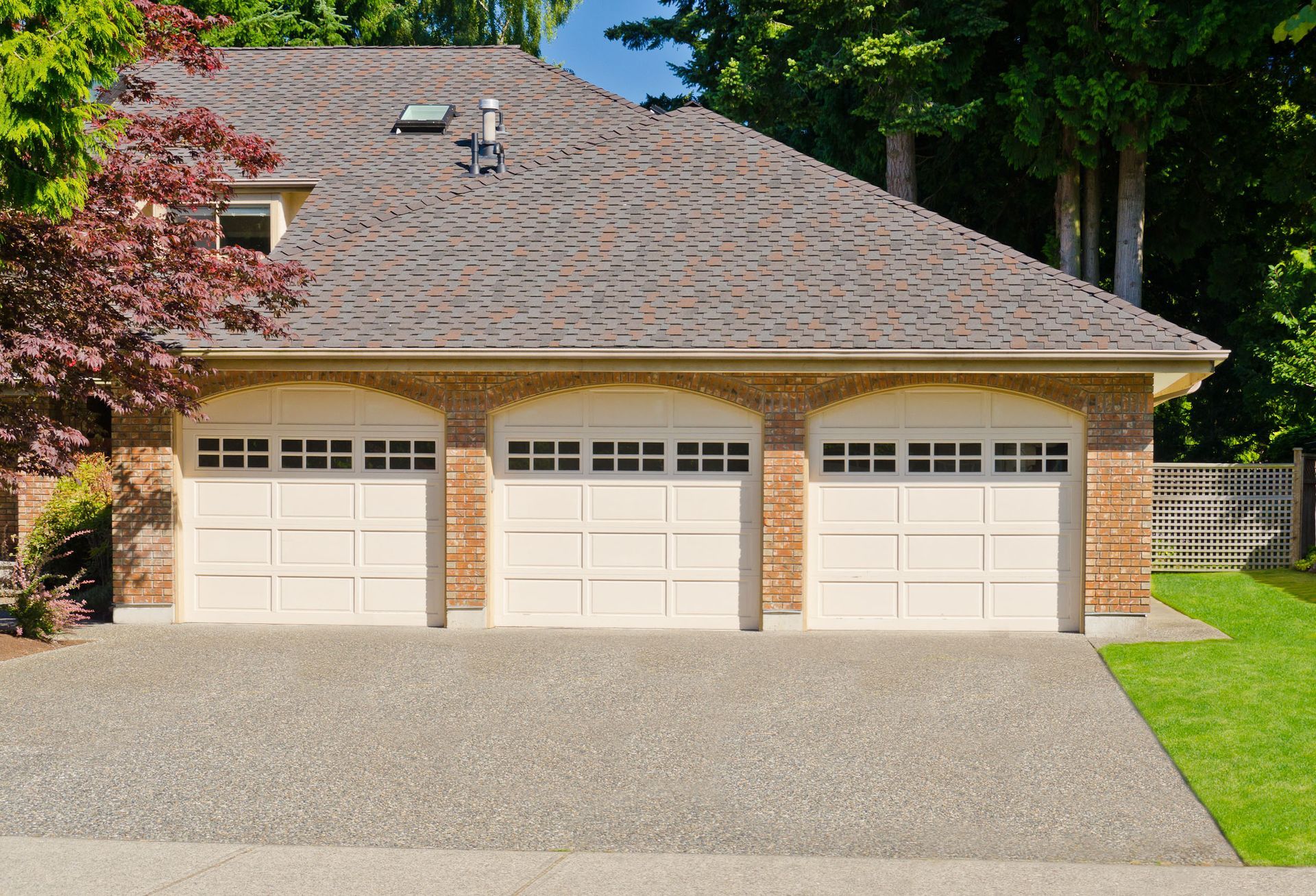
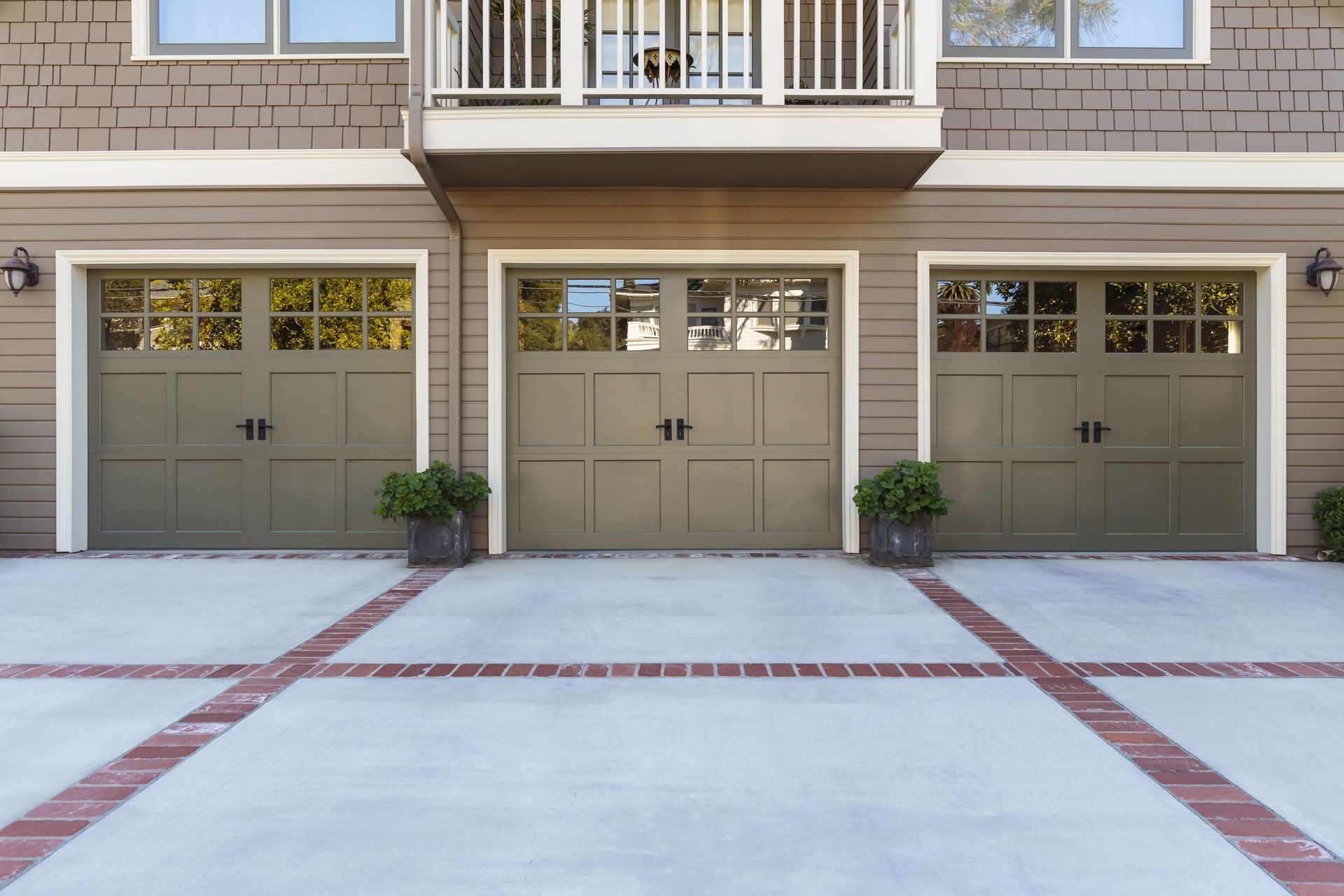
Single garage doors typically measure 8 to 9 feet wide, making them suitable for one vehicle and smaller garages. Double doors generally span 16 to 18 feet, allowing two vehicles to enter through a shared opening. Alternatively, two separate single doors may offer greater flexibility for households with distinct parking or storage needs.
Single doors can be easier to operate because of their smaller size, while double doors require appropriately rated hardware and springs. Automatic openers make either configuration convenient, but proper installation and routine maintenance remain essential.
Sectional designs are popular because their hinged panels travel along overhead tracks. According to Mordor Intelligence, sectional doors led with 42.60% of the garage and overhead doors market share in 2025. Their space-saving operation makes them suitable for many residential garages.
Choosing Materials and Styles
Garage door materials influence durability, maintenance, insulation, and appearance. Steel offers strength and relatively low maintenance. Aluminum is lightweight and rust-resistant, while wood provides a traditional appearance but requires more upkeep. Composite materials can recreate the look of wood with different maintenance requirements.
Design options include carriage-house panels, contemporary finishes, decorative windows, and traditional raised panels. Neutral colors complement many exterior styles, while contrasting finishes create a distinctive appearance. Professional garage door installation services can help homeowners compare suitable materials and designs.
Evaluating Costs and Long-Term Value
Single doors generally cost less initially because they use fewer materials and may require less installation labor. Double doors typically involve higher purchase and installation costs. However, overall value depends on usage, maintenance, and door quality.
Compare estimates for the door, opener, hardware, insulation, removal of the existing door, and labor. Investing in quality components may reduce maintenance concerns. Professional garage door installation services can also prevent alignment problems and premature wear.
Evaluating Space and Property Requirements
Measuring the Garage and Driveway
Accurate measurements are essential before choosing a door. Evaluate the opening's width and height, available headroom, side clearance, and garage depth. Ceiling lights, storage racks, and opener equipment can affect door movement.
Driveway dimensions matter, too. A double door may simplify access when the approach is wide and relatively straight. On narrow driveways, two single doors could provide more practical access, depending on vehicle positioning and nearby obstacles.
Professional garage door installation services can include measurements and an assessment of the surrounding structure. An experienced installer can identify clearance limitations and recommend a suitable configuration before work begins.
Considering Curb Appeal and Resale Value
Garage doors occupy a substantial portion of many home exteriors, so their design influences curb appeal. A single door may suit a smaller facade, while a double door can create a unified appearance across a wider garage. Matching the door's color and panels to the home's exterior creates visual consistency.
Future buyers may appreciate different features depending on their needs. Households with multiple vehicles may prefer a double opening, while others may favor separate parking areas. Insulation, reliable operation, and attractive finishes can improve everyday usefulness.
Resale benefits vary by market and buyer preferences. Choosing a durable design that suits the property is more practical than focusing on appearance alone.
Reviewing Building Codes and Safety
Local building codes and neighborhood requirements may affect garage door dimensions, wind resistance, insulation, and installation methods. Some areas require reinforcement or impact-resistant features for severe weather. Homeowners should verify applicable requirements before purchasing a door.
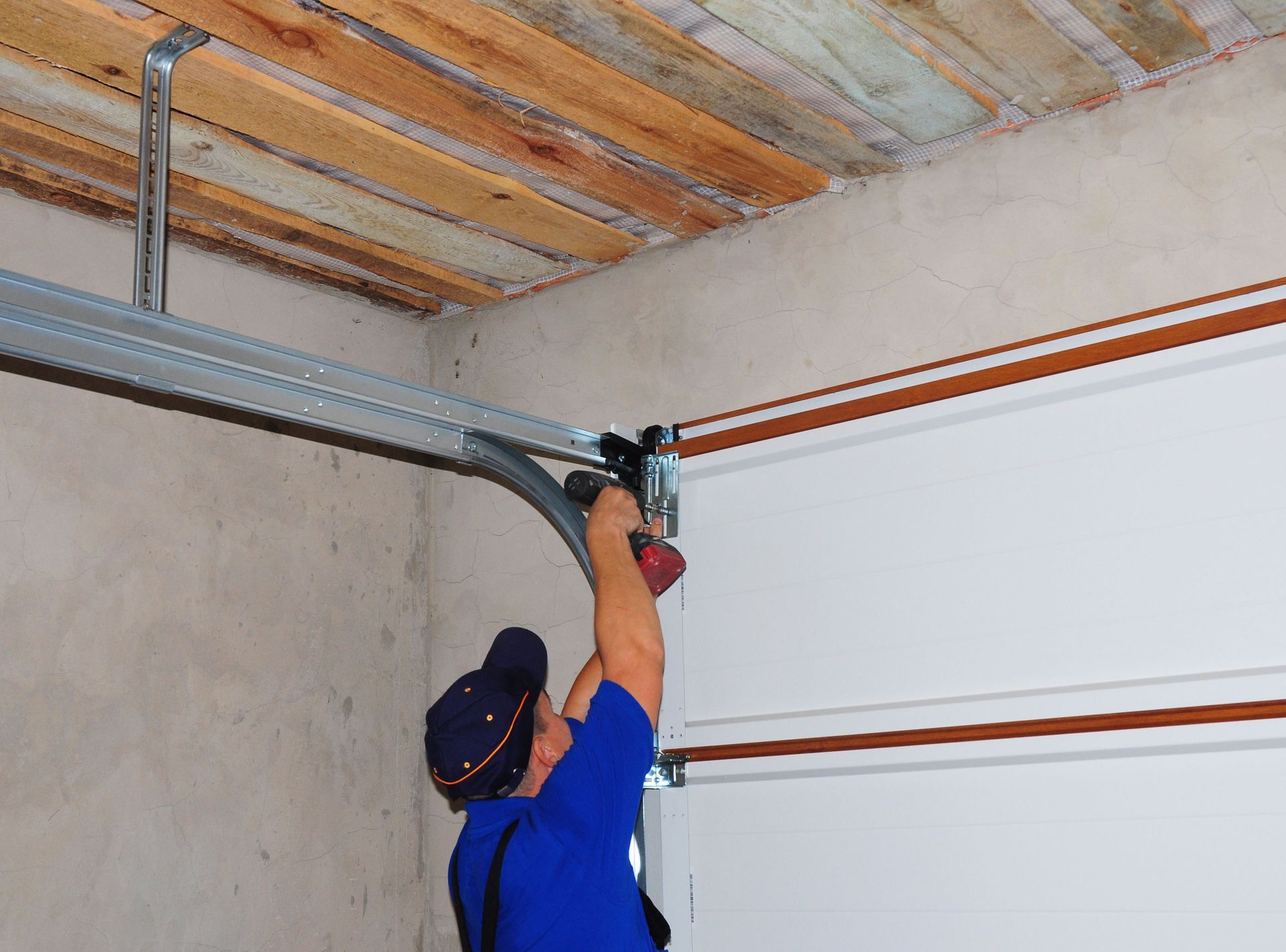
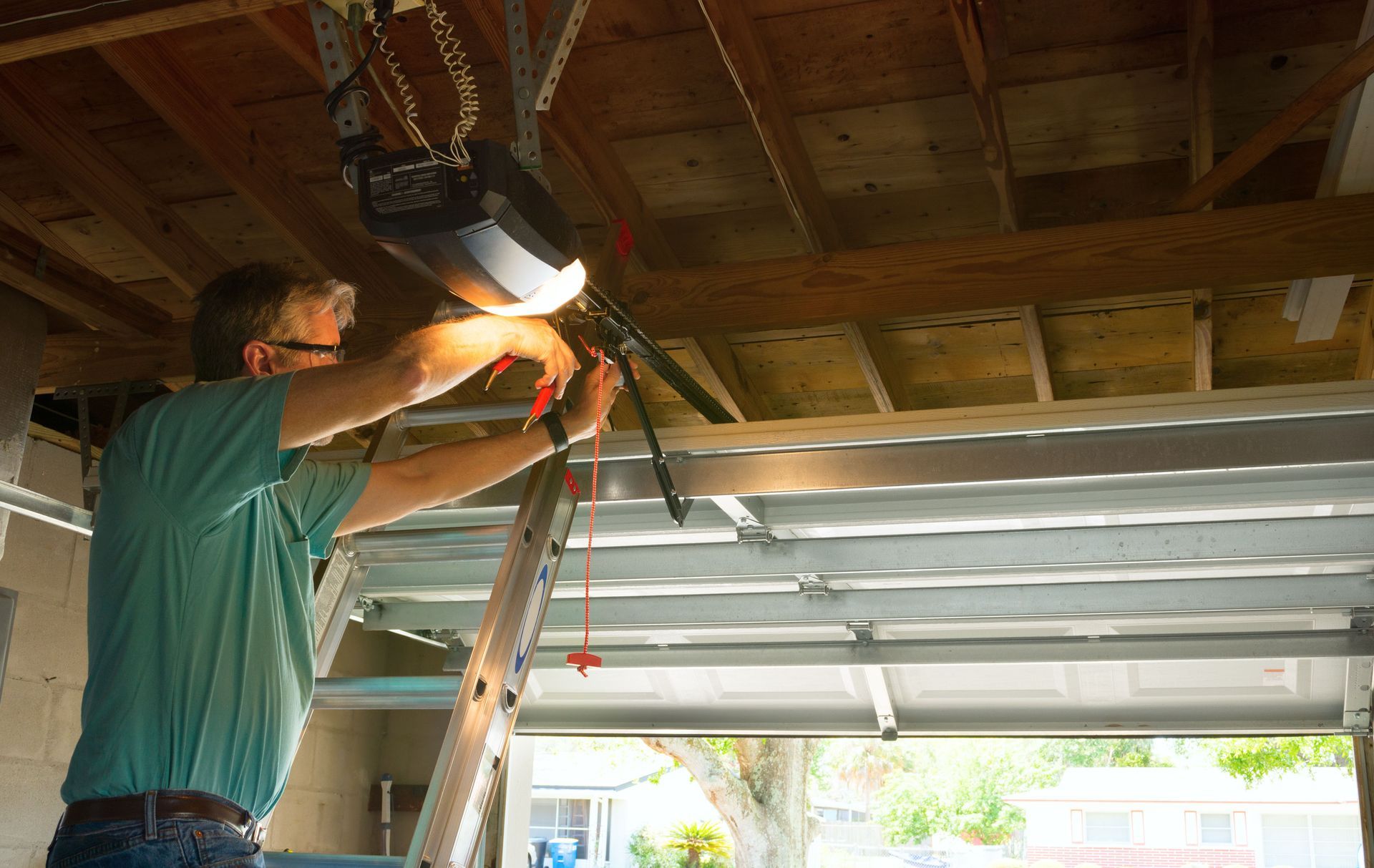
Automatic doors should have functioning photoelectric sensors and appropriate force-reversal protection. Springs, cables, and other high-tension components must be installed correctly. Professional garage door installation services help ensure compatible components and safe operation.
Planning for Vehicles and Storage
Matching the Door to Your Vehicles
The number and size of vehicles are important factors when choosing between single and double doors. Standard openings may accommodate ordinary cars, but larger SUVs and trucks can require additional clearance. Measuring each vehicle helps determine whether a standard opening is sufficient.
Households with two vehicles should consider how frequently both cars need garage access. A double door provides a shared opening, but its width alone does not guarantee comfortable parking. Interior spacing, support columns, and storage placement also affect maneuverability.
Planning for future vehicle purchases can prevent another upgrade. Homeowners expecting to add a vehicle or purchase a larger model should account for those possibilities when selecting a door.
Improving Maneuverability and Storage
A garage must accommodate vehicles alongside bicycles, lawn equipment, shelving, and workbenches. A double door may simplify parking, but thoughtful storage planning remains essential.
Two single doors provide separate access points, which can be useful when occupants have different schedules. However, any central support structure between openings must be considered during planning.
Vertical shelving, ceiling-mounted racks, and wall hooks help maximize storage without obstructing door tracks. Keeping pathways clear and heavy objects away from moving components also improves safety. Planning storage before installation helps ensure the finished layout accommodates both current belongings and future household needs.
Comparing Convenience, Maintenance, and Efficiency
Assessing Daily Access and Operation
Convenience depends on household routines. A double door offers a broad entrance that can simplify parking two vehicles when the driveway provides sufficient room. Two single doors provide separate access points for different parking spaces or stored equipment.
Automatic openers, remote controls, keypads, and compatible smart-home features improve convenience with either configuration. Homeowners should confirm that the opener's lifting capacity matches the door. Professional garage door installation services can help coordinate the door, opener, tracks, and safety equipment.
Planning for Maintenance and Energy Efficiency
All garage doors require periodic inspections of tracks, rollers, hinges, seals, and safety features. Larger doors place substantial demands on supporting hardware, making correct spring selection and routine maintenance particularly important. Two single doors have separate components that also require attention.
Insulation matters when a garage connects directly to the home or serves as a workshop. Insulated doors can help moderate temperature changes, especially when paired with effective weather seals. Steel, composite, and other materials offer different combinations of durability and insulation performance.
Compare insulation ratings and seals before deciding which features justify the investment. A properly fitted door can reduce drafts, although energy savings depend on the garage's construction and use.
Selecting the Right Garage Door for Your Property
The best choice depends on available space, vehicle requirements, appearance, budget, and future plans. Single doors suit compact garages and households that value separate access points. Double doors work well for wider garages where shared access and two-vehicle parking are priorities.
Compare measurements, materials, insulation, opener compatibility, and maintenance requirements. Consider driveway layout and exterior design alongside everyday needs. A professional assessment can help determine which configuration offers the best balance of convenience, durability, and value.
For help selecting a suitable door and ensuring a reliable fit, contact The Garage Door Guy to discuss your property's requirements. Professional guidance can help you choose the right design and arrange garage door installation services for safe operation, dependable performance, and lasting curb appeal.